
Blog
The Ultimate Guide to Buying a Used JDM Engine: What to Check, What to Avoid, and How to Get the Best Value for Your Build

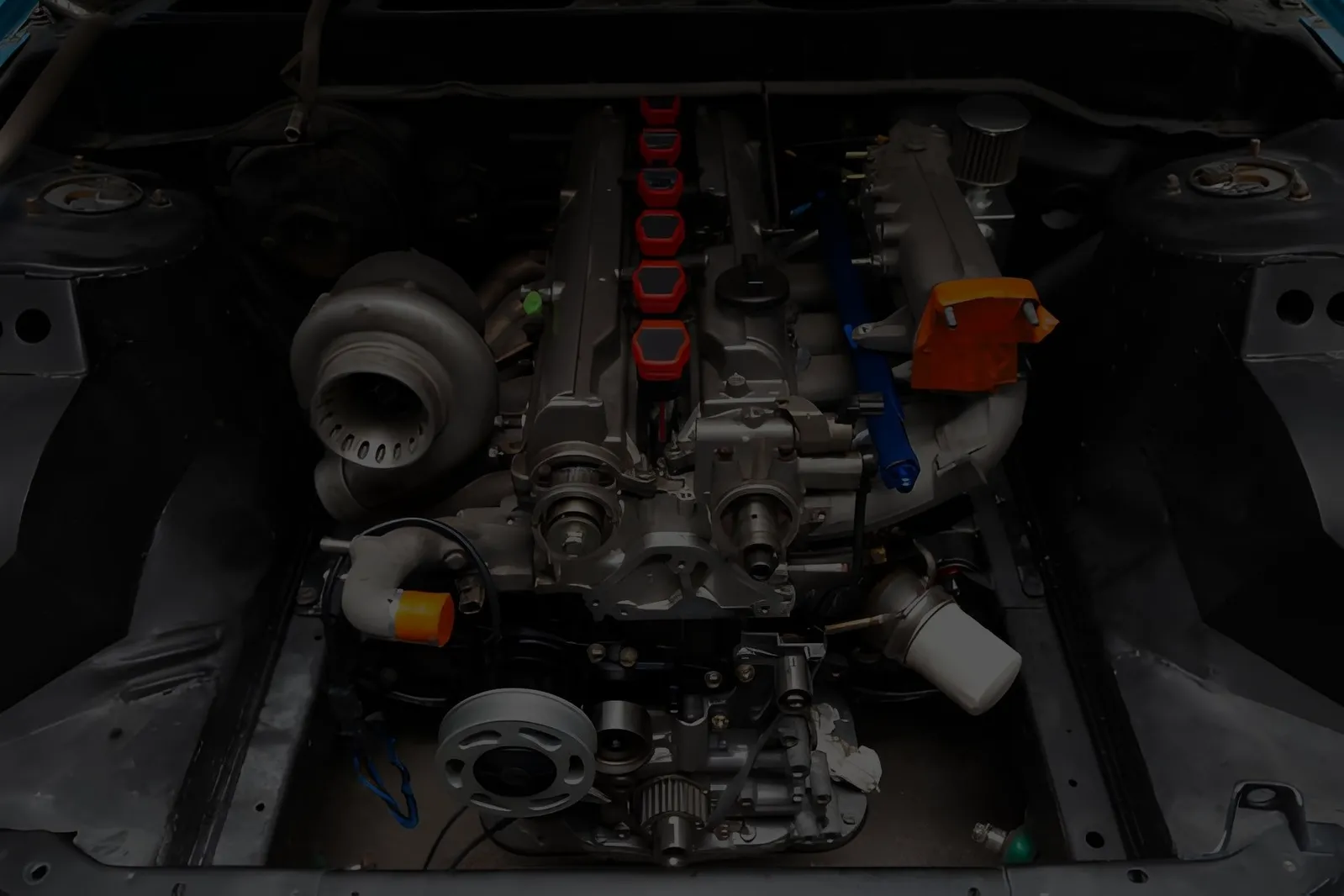
When you’re building a car, a used JDM engine can be the single best value decision you make — or the biggest gamble of your project. The difference comes down to knowing exactly what you’re buying, where it came from, and how it was handled before it reached your garage. In this guide, we break down everything you need to know about purchasing a used JDM engine with confidence, from the sourcing process in Japan to the inspection standards that separate reliable powerplants from ticking time bombs.
What Makes JDM Engines So Popular?
There’s a reason enthusiasts around the world seek out JDM engines. Japanese domestic market vehicles often received higher-performance variants, different turbo setups, and engine configurations that were never offered in other markets. The 2JZ-GTE from the Toyota Supra, the RB26DETT from the Nissan Skyline GT-R, and the legendary 4G63 from the Mitsubishi Lancer Evolution all represent engineering that enthusiasts simply can’t get elsewhere in the same form.
But popularity also has a downside. High demand means an active market filled with both reputable sellers and cut-rate operators looking to move questionable inventory. Understanding what defines a genuinely good used JDM engine is the first step to protecting your investment.
Why Low Mileage Matters — And Why It’s Not Everything
Many JDM engines are advertised as low-mileage, and while mileage is an important indicator, it shouldn’t be your only checkbox. Japanese vehicles are subject to strict inspection regulations, which means many well-maintained cars get retired while their engines still have plenty of life. This creates a steady supply of genuine low-mileage units.
However, not every engine that reads low mileage is in great condition. The way an engine was driven, maintained, and stored matters enormously. A high-mileage engine that was meticulously serviced can be a better buy than a low-mileage unit that sat neglected for years. This is why professional inspection matters more than the number on the odometer alone.
The Sourcing Process: Where JDM Engines Actually Come From
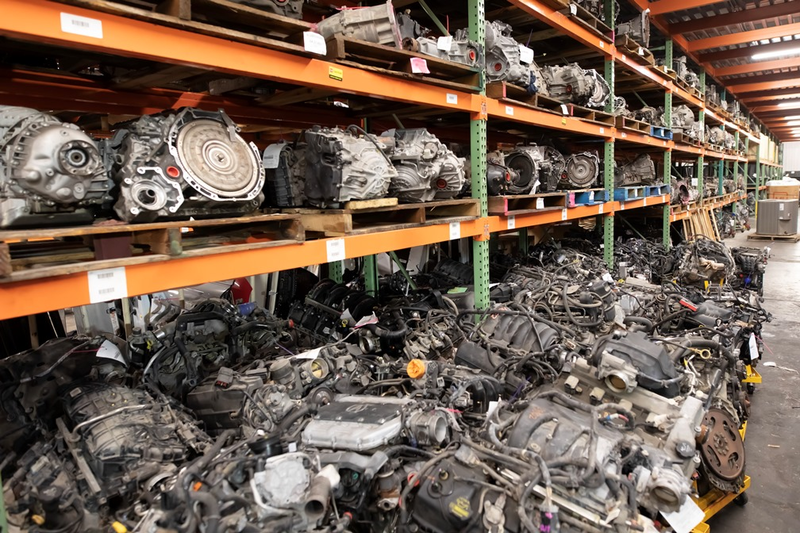
Reputable sellers source their inventory from specific, vetted channels. Japanese auctions are one primary source, where vehicles are graded by independent inspectors and sold to dealers worldwide. Dismantlers and licensed surplus dealers provide another consistent supply. The common thread among quality suppliers is direct sourcing with full transparency.
When a company imports directly from Japan, you benefit from lower costs, a wider selection, and complete visibility into the provenance of each unit. Middlemen add markups and, more importantly, they introduce a layer of uncertainty between you and the actual condition of the engine. Buying from a seller who does its own importing means the company knows exactly what’s on the container — not what a third party claims is inside.
The Four Key Inspections Every Used JDM Engine Should Pass
Before any engine should be sold, it needs to clear a rigorous multi-point inspection. Here’s what a thorough process looks like:
Compression Test — This measures the pressure each cylinder generates, revealing ring wear, valve sealing issues, and overall internal health. Consistent readings across all cylinders are a strong sign of a healthy engine. Significant variation between cylinders indicates potential problems.
Leak-Down Test — While a compression test tells you an engine’s overall condition, a leak-down test pinpoints where pressure is escaping. It helps identify worn rings, damaged valve seats, and head gasket concerns with precision. An engine that fails a leak-down test is one you don’t want in your bay.
Visual Inspection — A careful visual check looks for cracks, corrosion, damage, and signs of prior repair or tampering. The mounting points, block, and head all require scrutiny. Cosmetic damage can signal deeper problems, while a clean, stock-looking engine is often a good sign.
Spin Test — This verifies that the engine rotates freely and smoothly, ruling out seized bearings, broken internals, and other catastrophic failures that a static inspection can’t catch. If an engine doesn’t spin freely, it should never ship.
If an engine fails any of these checks, it should not be sold to a customer. The strongest sellers apply this standard consistently — no exceptions, no “servicing” a bad unit into a false appearance of health.
Used vs. Remanufactured: Which Should You Choose?
Both used and remanufactured JDM engines have their place, and the right choice depends on your goals,