
Blog
Used vs. Remanufactured JDM Engines and Transmissions: Which Option Is Right for Your Build?

If you’ve started shopping for a JDM powertrain, you’ve likely noticed two categories dominating every listing: used, and remanufactured. Both promise the same end result — reliable Japanese performance for your build — but they arrive there through very different paths, with very different price points, timelines, and considerations involved. Choosing between them isn’t about which is “better” in some absolute sense. It’s about which one genuinely fits your budget, your risk tolerance, your timeline, and the demands of your specific project.
This guide walks you through every factor that matters so you can make a confident decision on your next engine or transmission.
First, Let’s Define the Terms
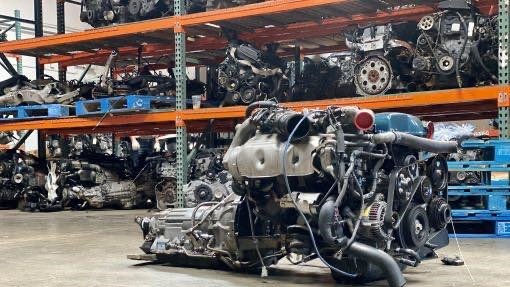
The terminology in this market gets thrown around loosely, so it’s worth being precise. A used JDM powertrain is an engine or transmission that has been sourced directly from Japan — typically from auction vehicles, dismantlers, or surplus dealers — and sold in its original, as-pulled condition after passing inspection. It has accumulated real mileage and has not had its internal components rebuilt or replaced.
A remanufactured unit is one that has been fully disassembled, cleaned, and rebuilt to functional standards. Worn components such as bearings, seals, gaskets, rings, and sometimes pistons are replaced, and the unit is reassembled and tested before sale. Importantly, “remanufactured” is not the same as “rebuilt” by a backyard mechanic — a genuine remanufactured unit comes from a process that restores the powertrain to a dependable, near-ready-to-run condition.
Understanding this distinction matters because some sellers use the words interchangeably, and the difference affects everything from cost to how you should care for the unit once it’s installed.
The Case for a Used JDM Engine
When price is your primary driver, and you’re comfortable doing your own assembly work, a used JDM engine is often the smartest route. Because these units carry real mileage and remain in their original specification, they command a significantly lower price than their remanufactured counterparts.
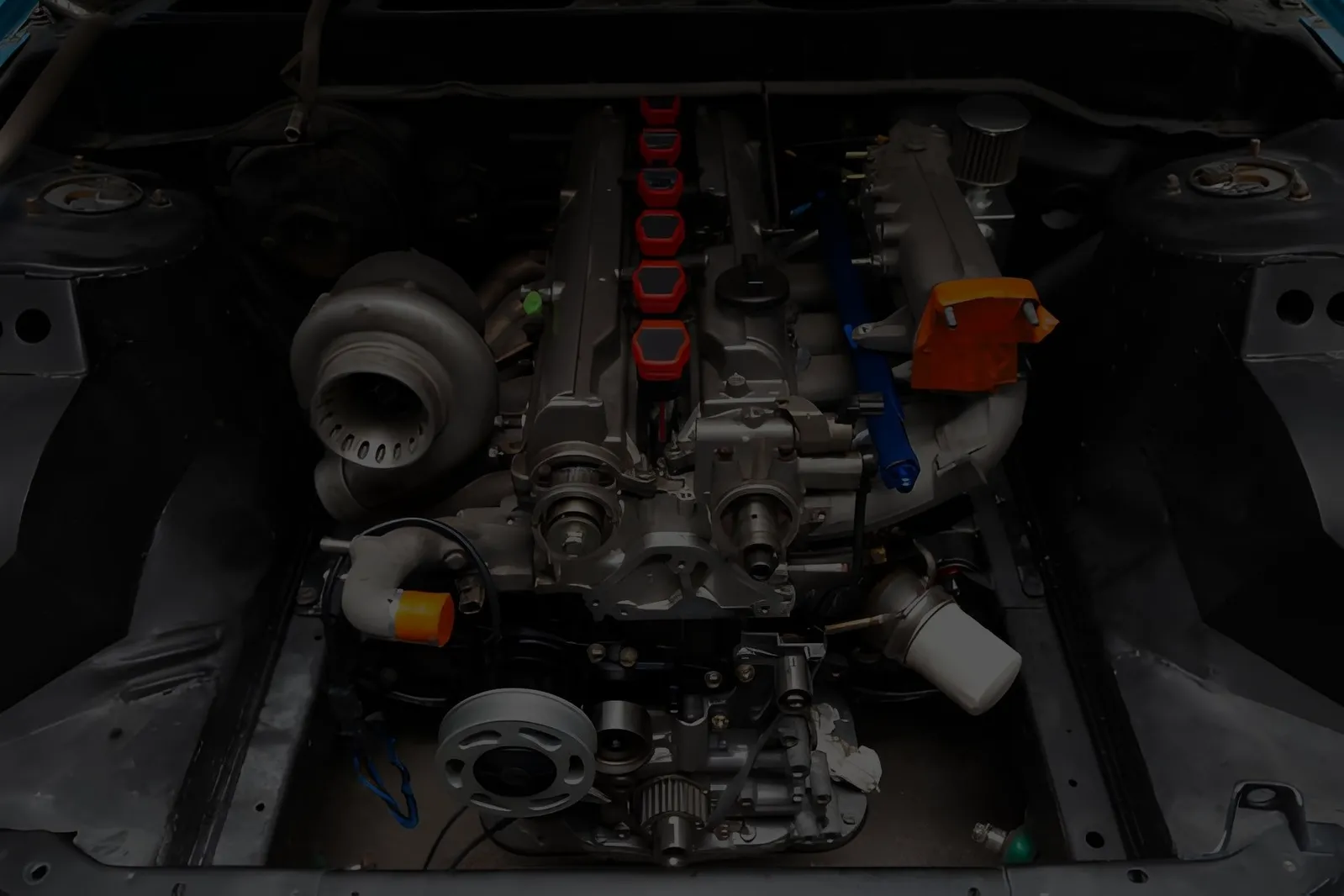
Used engines shine in specific situations. If you’re building a drift car where the car itself will see hard miles and frequent repairs, paying a premium for a freshly remanufactured engine might not make sense. If you’re a confident builder who plans to replace the head gasket, upgrade the turbo, or install forged internals anyway, buying a clean used engine and modifying it to your spec gives you maximum control over the final result.
The key to a successful used-engine purchase is trusting the inspection process. A genuine low-mileage unit that has passed compression, leak-down, visual, and spin tests can serve you faithfully for years. The cheap price only becomes a false economy if the seller hasn’t done the work to verify what they’re selling.
The Case for a Remanufactured Powertrain
When your priority is peace of mind and a ready-to-install unit, remanufactured is hard to beat. These powertrains have been disassembled down to their components, cleaned, rebuilt with fresh wear items, and tested as a complete assembly. The result is a powertrain with essentially no hidden mileage-related surprises — you know exactly what condition the internal components are in because they’ve all been refreshed.
This makes remanufactured units ideal for vehicles that need to be dependable every single day. A daily driver, a boat that you rely on for a season of use, or a build where you can’t afford extended downtime all benefit from a unit that’s had its internals brought back to spec. The higher upfront cost is effectively a payment for certainty — the knowledge that you aren’t rolling the dice on the condition of components you can’t see.
Comparing Cost: The Real Math
Price differences between used and remanufactured units are real and significant, but the smart comparison isn’t just sticker price. You should weigh total cost of ownership, which includes the cost of any work you’ll need to do after purchase. A used engine that requires seals, gaskets, or a timing kit before installation costs more than its listing price suggests — and if you’re paying a shop to do that work, labor adds up quickly. A remanufactured unit, already refreshed and tested, typically bolts in with far less post-purchase work required.