Blog
How to Choose the Right Outboard Motor: A Complete Buyer’s Guide for Used and Remanufactured Options

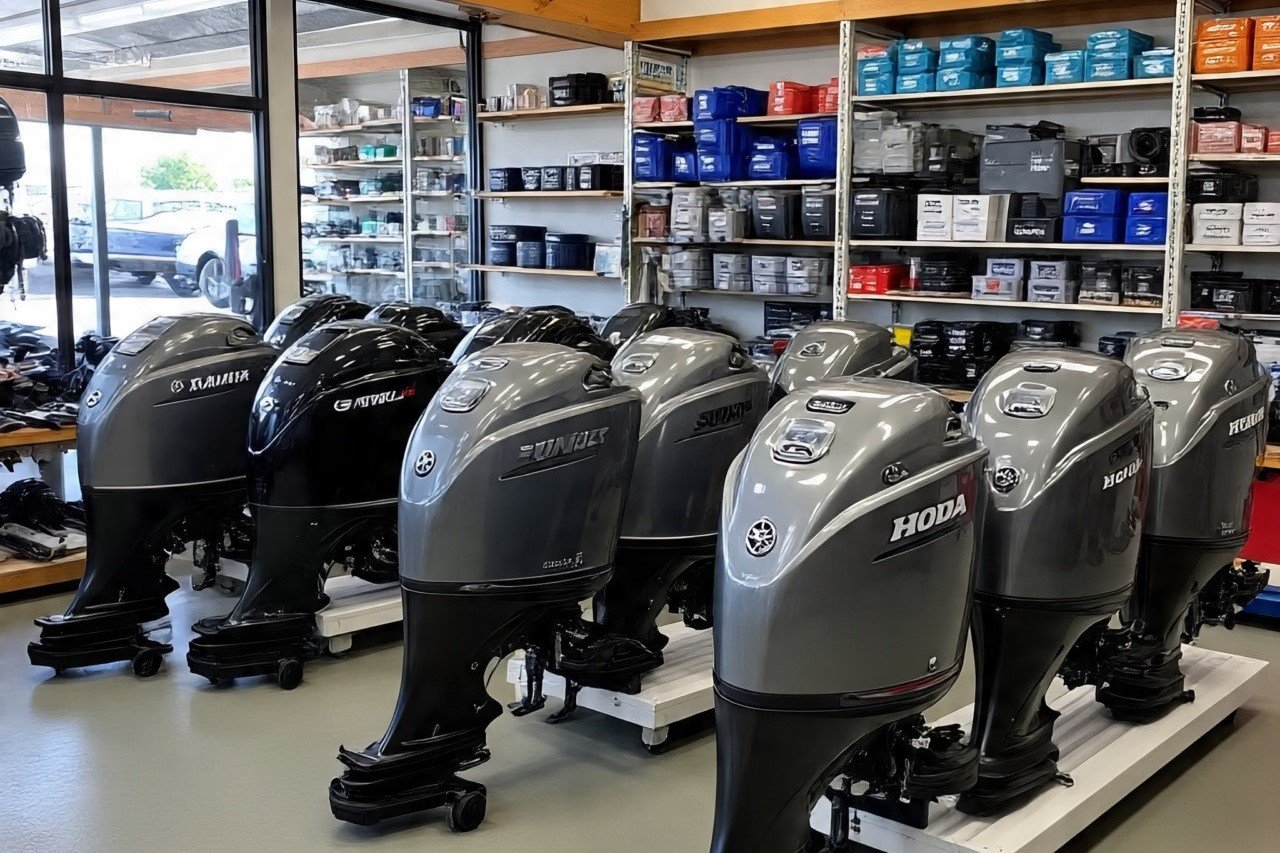
Whether you’re repowering a hard-working skiff, restoring a beloved classic boat, or stepping up to a bigger vessel for the first time, choosing the right outboard motor is one of the most important decisions you’ll make. It affects your performance on the water, your fuel costs, your resale value, and — most importantly — your safety and confidence every time you leave the dock. But with a wide range of manufacturers, horsepower ratings, shaft lengths, and used versus remanufactured options on the market, the decision can quickly feel overwhelming.
This guide is designed to cut through the confusion and give you a clear, practical framework for choosing the outboard motor that truly fits your boat, your budget, and the way you actually use the water.
Understand What Your Boat Actually Needs
Before you even look at price tags, you need to understand what your boat requires. The most critical specification is horsepower, and it’s not something you should guess at. Every boat has a maximum horsepower rating that’s set by the manufacturer and typically printed on a capacity plate near the helm. Exceeding that rating can compromise handling, overload the transom, and create safety risks you don’t want to discover offshore. Respect the plate — it’s there for real reasons, not just paperwork.
Shaft length is the next critical specification. A motor with too short a shaft will cavitate and lose power in rough water, while one that’s too long will have its propeller running deeper than intended, creating drag and handling issues. To find the right length, measure from the top of the transom to the bottom of the hull — and remember that not every brand measures exactly the same way. When in doubt, consult the sizing charts published by manufacturers or ask a specialist who can walk you through the measurement.
Weigh Your Power Needs Against How You Boat
Beyond the mandatory specifications, think honestly about how you use your boat. A fishing guide who spends long days trolling and running between spots has very different needs than a weekend cruiser who wants a smooth, economical ride. Consider whether you mostly cruise at moderate speeds, whether you carry heavy loads regularly, and whether fuel economy or top-end speed matters more to you.
It’s also worth thinking about the future. If you’re likely to repower the same hull in a few years, or if your boating habits tend to change season to season, choosing a motor with a little headroom — within your manufacturer’s rating, of course — can save you from buying twice. A motor that runs comfortably at mid-throttle rather than being pushed to its limits will also tend to last longer and burn less fuel.
Used vs. Remanufactured Outboards: What’s the Difference?
Just like with automotive engines, outboard motors come in two primary categories: used and remanufactured. Understanding the difference is essential to making a smart purchase.
A used outboard is a motor that has seen real hours on the water and is sold in its as-found condition after inspection. These are often ideal for budget-conscious buyers, for boats that don’t need maximum reliability, or for owners who plan to perform their own maintenance. The value proposition is straightforward: you’re paying less in exchange for accepting the motor’s history.
A remanufactured outboard has been fully disassembled, cleaned, rebuilt with fresh wear components, and tested before sale. Seals, gaskets, and other components that degrade with age are replaced, and the motor is returned to a dependable, ready-to-run state. This option costs more upfront but offers significantly greater peace of mind — which matters a great deal when you’re miles from shore and your motor is your only way back.
The Inspections That Keep You Safe on the Water
Whether you buy used or remanufactured, the quality of the inspection process determines whether you’re getting a reliable motor or a floating problem. A thorough pre-sale inspection should verify that the motor runs smoothly, shifts through its gears reliably, and shows no signs of overheating or excessive wear. Compression testing across all cylinders reveals the health of the combustion chambers, while a close visual inspection looks for corrosion, cracks, and evidence of prior repair or saltwater damage.
Saltwater is the great enemy of outboard motors, and corrosion is the leading cause of premature failure. Motors that have spent their lives in freshwater are generally more desirable than those exposed to harsh saltwater environments, all else being equal. A reputable seller will be transparent about a motor’s history and condition rather than glossing